Understanding Water Heater Systems
Water heaters are essential appliances in homes, providing hot water for various daily activities, from showering to washing dishes. Understanding how these systems work can help homeowners make informed decisions about maintenance, repairs, and replacements. In Rapid City, where temperatures can drop significantly during winter, having a reliable water heater is crucial. This comprehensive guide will cover the different types of water heaters, common issues, repair costs, and essential maintenance tips. When exploring options, water heater repair Rapid City services can provide comprehensive insights into maintaining your system efficiently.
Types of Water Heaters Available in Rapid City
In Rapid City, homeowners have several options when it comes to water heaters. The most common types include:
- Tankless Water Heaters: These units heat water on demand, providing hot water without the need for a storage tank. They are energy-efficient and ideal for smaller homes.
- Storage Water Heaters: Also known as tank water heaters, these are the traditional models that store a large volume of hot water for use. They require more space but are reliable for larger households.
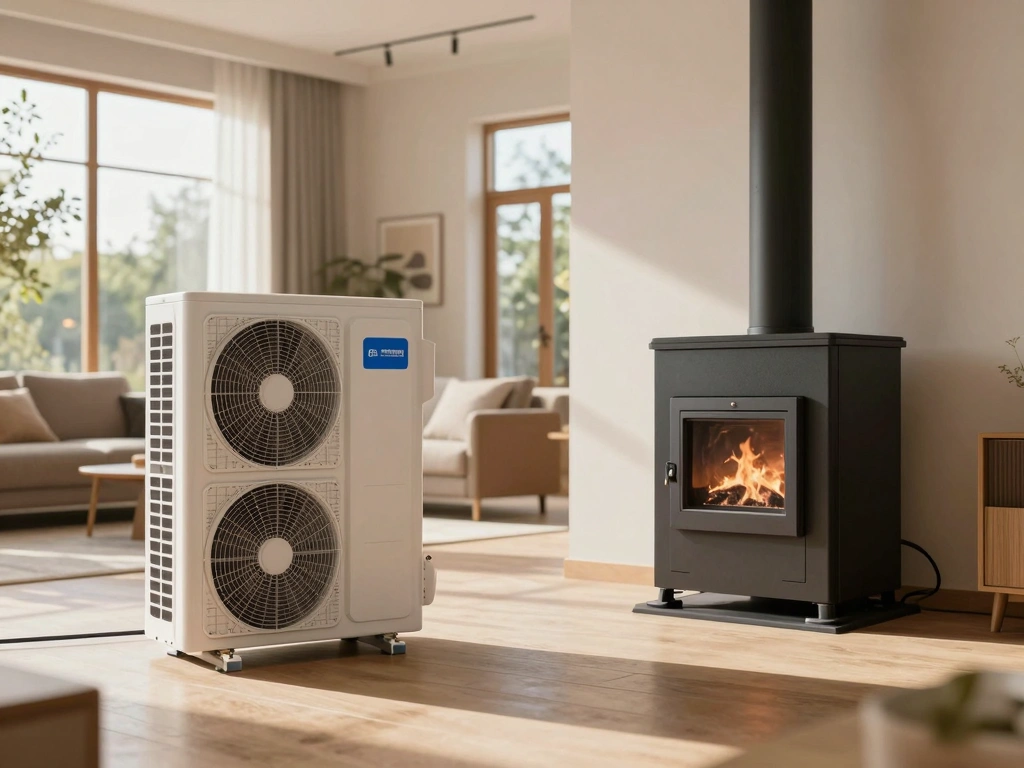
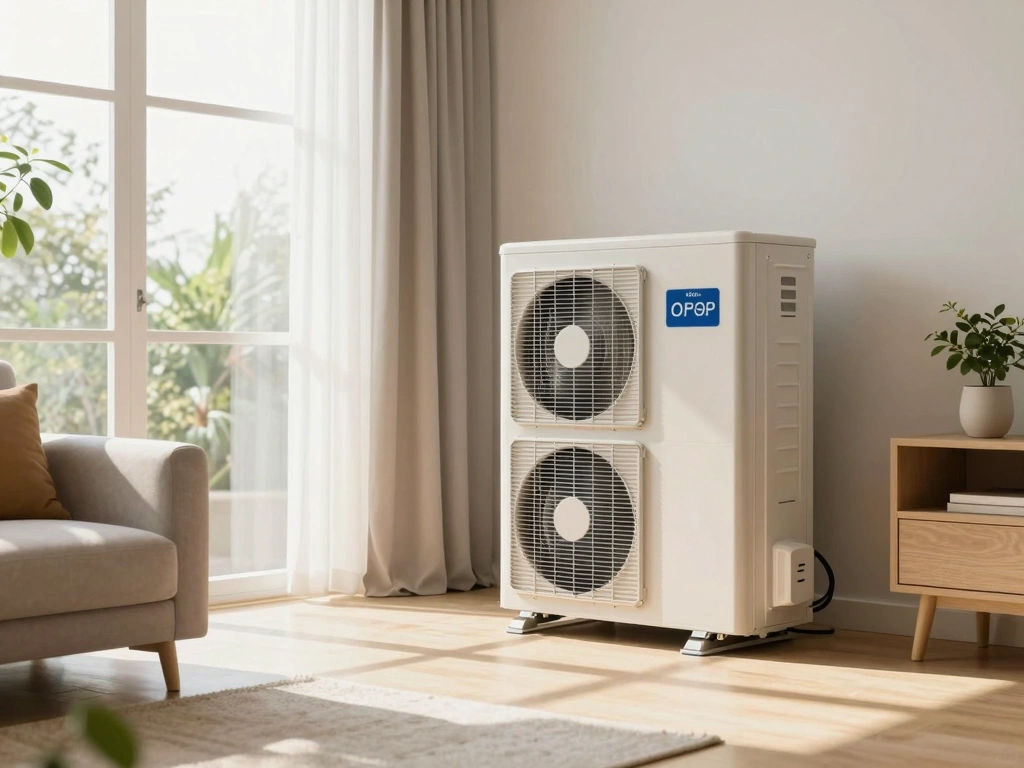
- Heat Pump Water Heaters: These utilize electricity to move heat from the air or ground to heat water, making them highly efficient options for those looking to save on energy costs.
- Solar Water Heaters: Using solar panels, these systems harness sunlight to heat water and are environmentally friendly, although they depend on adequate sunlight availability.
How Water Heaters Work: A Simplified Overview
Water heaters function primarily through two methods: storage and heating. Storage water heaters maintain a reservoir of hot water, which is heated via gas or electricity. When you turn on the hot water tap, the heated water is delivered from the tank. In contrast, tankless models heat water directly as it flows through the unit, providing a continuous supply without storing it.
Choosing the Right Water Heater for Your Home
Choosing the correct water heater depends on several factors, including the size of your household, your hot water usage patterns, and your budget. Consider the following:
- Capacity: Assess how much hot water your family needs at peak times.
- Energy Efficiency: Look for models with high energy efficiency ratings to save on utility bills.
- Installation and Maintenance Costs: Factor in both the initial cost and the long-term maintenance expenses.
Common Water Heater Issues and Solutions
Over time, water heaters may develop issues that require repair. Knowing how to identify these problems early can help avoid costly replacements.
Identifying Signs Your Water Heater Needs Repair
Common signs that your water heater may need repair include:
- Inconsistent water temperature.
- Strange noises, such as popping or rumbling.
- Visible leaks or rust around the unit.
- Water discoloration, indicating sediment buildup.
Addressing Common Water Heater Problems
Some common water heater problems and their solutions include:
- No Hot Water: Check the power supply or gas line. For electric models, ensure that the circuit breaker hasn't tripped.
- Leaking Tank: If you see water pooling around the heater, it may need to be replaced, but check the valve seals first.
- Discolored Water: This might indicate rust or sediment buildup. Flushing the tank can often remedy this issue.
When to Repair vs. Replace Your Water Heater
Deciding whether to repair or replace your water heater depends on its age and condition:
- If your unit is over ten years old and requires repairs, it may be more cost-effective to replace it.
- Consider the cost of repairs against the unit's remaining lifespan. If the repair costs exceed 50% of the replacement cost, opt for a new unit.
The Cost of Water Heater Repair in Rapid City
The cost of repairing a water heater can vary widely based on the type of repair needed and the model of the heater.
Average Repair Costs and Factors Affecting Pricing
On average, homeowners in Rapid City can expect to pay between $150 to $500 for water heater repairs. Factors influencing these costs include:
- Type of water heater (tank vs. tankless).
- Extent of the damage or repairs needed.
- Labor costs associated with the service technician.
Cost-Effective Solutions for Homeowners
To manage repair costs effectively, homeowners should consider routine maintenance practices, such as:
- Flushing the tank annually to remove sediment.
- Insulating pipes to prevent heat loss.
- Regularly checking and maintaining the anode rod.
Financing Options for Water Heater Repairs
Many plumbing companies in Rapid City offer financing options for larger repairs. This can help spread the cost over time, making it more manageable for homeowners. Always inquire about financing plans when seeking repairs, and consider obtaining multiple quotes for comparison.
DIY Tips for Water Heater Maintenance
While some repairs should be handled by professionals, homeowners can perform simple maintenance tasks to extend the lifespan of their water heaters.
Regular Maintenance Checks to Extend Lifespan
Regular checks and maintenance are critical. Consider the following:
- Inspect the heater every six months for signs of corrosion or leaks.
- Check the temperature and pressure relief valve once a year.
- Flush the tank annually to prevent sediment buildup.
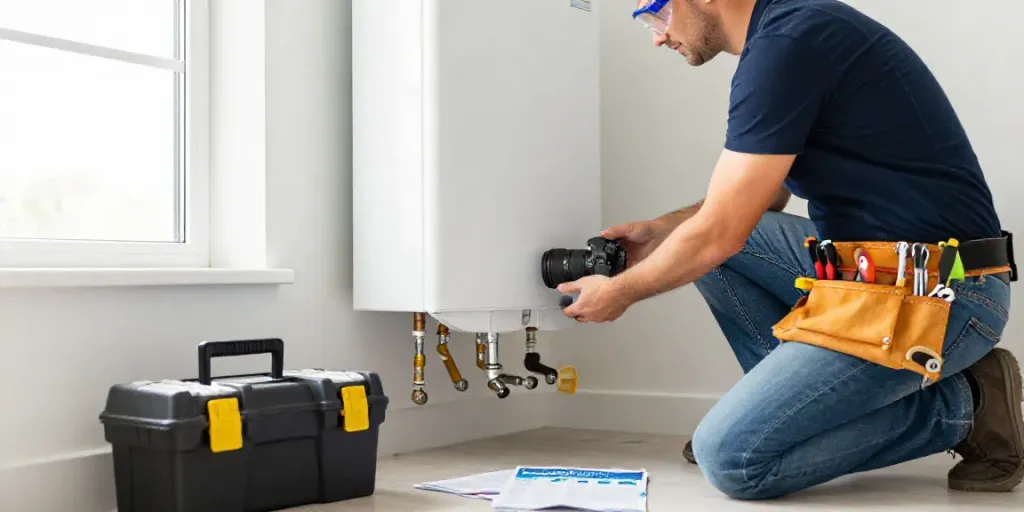
Safety Precautions When Working on Water Heaters
Safety is paramount when dealing with electrical or gas appliances. Always ensure:
- The power supply is turned off before performing any maintenance.
- You have the necessary tools and protective gear.
Popular DIY Repairs Homeowners Can Handle
Some repairs that homeowners can safely handle include:
- Replacing the temperature and pressure relief valve.
- Flushing the tank to eliminate sediment buildup.
- Adjusting the thermostat settings for optimal performance.
Future Trends in Water Heater Technology
As we approach 2026, advancements in water heater technology are continuously evolving, making them more efficient and environmentally friendly.
Smart Water Heaters: The Next Level of Efficiency
Smart water heaters use Wi-Fi connectivity to allow homeowners to monitor and control their water heating systems remotely. Features may include:
- Remote temperature adjustments.
- Alerts for maintenance needs or leaks.
- Usage tracking to optimize energy consumption.
Environmental Considerations and Green Options
With increasing awareness of environmental sustainability, many manufacturers are developing greener alternatives, such as:
- Energy-efficient models that reduce electricity or gas usage.
- Solar-powered water heaters that utilize renewable energy sources.
- Heat pump water heaters that require less energy compared to conventional models.
Preparing for Changes in Water Heating Standards by 2026
Federal regulations regarding water heater efficiency are expected to tighten by 2026. For more information, clogged drain repair Rapid City SD offers valuable insights. Homeowners should stay informed and consider upgrading to compliant models to benefit from better energy savings and performance.