
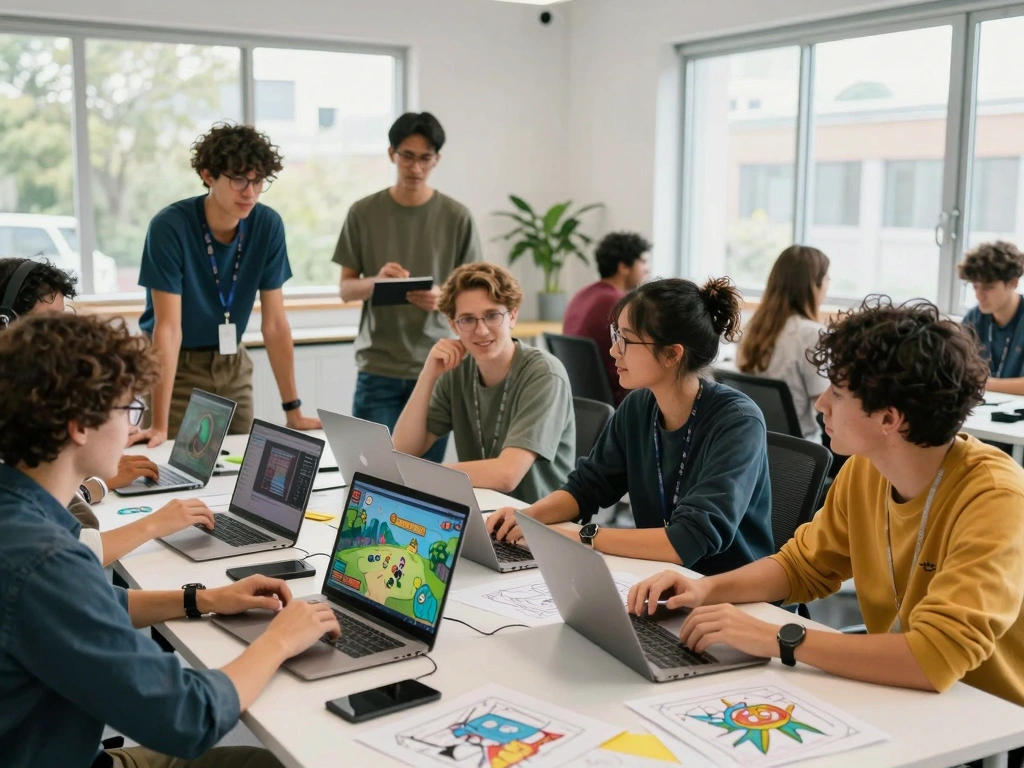
Emerging Crowdfunding Platforms for Indie Games
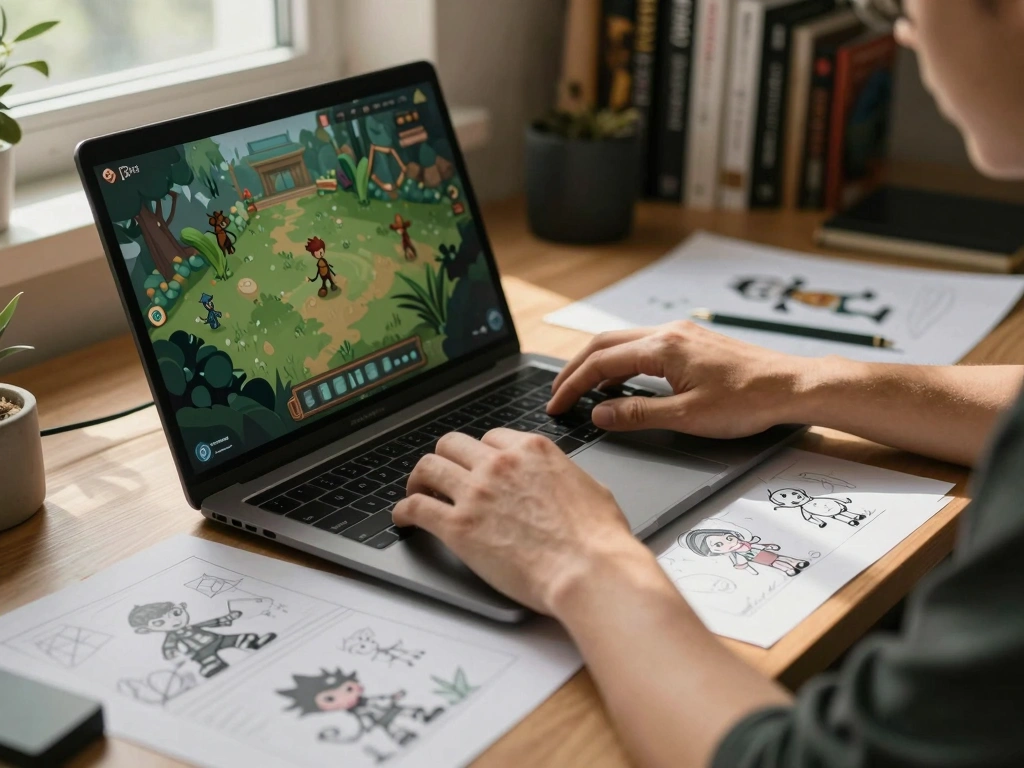
As the landscape of game development continues to evolve, 2026 is shaping up to be a pivotal year for indie game funding. Crowdfunding remains a cornerstone for many indie developers, but new platforms are emerging that offer innovative features and user experiences tailored specifically for the gaming community. This section explores these platforms and their potential impact on the indie game funding ecosystem.
Innovative Features of New Platforms
New crowdfunding platforms are introducing features that significantly enhance the funding experience for indie developers and backers alike. For instance, platforms like GameFund and Kickstarter 2.0 are rolling out specialized tools that cater to the unique needs of game developers:
- Dynamic Funding Goals: Unlike traditional fixed goals, some platforms are allowing developers to set dynamic funding thresholds based on community engagement levels, enabling more flexible funding models.
- Interactive Prototyping: Developers can showcase playable demos directly on the crowdfunding page, allowing backers to experience the game before committing funds.
- Community Voting: Platforms are integrating community features that allow backers to vote on game elements, such as art styles or character designs, enhancing engagement and investment.
Case Studies of Successful Campaigns
To understand the potential impact of these innovative platforms, let’s look at a few successful campaigns:
- “Mystic Realms” on GameFund: This RPG campaign raised $500,000 within 30 days, utilizing dynamic funding goals. The developers engaged their community through regular updates and prototype access, leading to a 70% funding rate from returning backers.
- “Starship Odyssey” on Kickstarter 2.0: This space exploration game not only reached its $100,000 goal but surpassed it by 200% due to community voting that influenced game development, showcasing how backer involvement can drive funding success.
Comparative Analysis with Established Platforms
While established platforms like Kickstarter and Indiegogo remain popular, they may not offer the same tailored experiences for gamers. A comparative analysis reveals:
- Engagement Tools: Established platforms often lack interactive features that newer platforms provide, which can lead to less enthusiastic community involvement.
- Funding Flexibility: New platforms typically offer more flexible funding models compared to the all-or-nothing approach of Kickstarter.
- Targeted Audiences: Emerging platforms are designed specifically for gamers, which can lead to a more engaged audience compared to broader crowdfunding sites.
The Role of Blockchain in Game Funding
Blockchain technology continues to gain traction in the gaming industry, providing new avenues for indie developers to secure funding. In 2026, we expect to see an increased reliance on decentralized technologies that enhance transparency and engagement.
Understanding NFT Financing for Games
Non-fungible tokens (NFTs) have revolutionized the way digital assets are valued and traded. In the context of indie games, developers are leveraging NFTs to create unique funding opportunities:
- Asset Ownership: By selling NFTs associated with in-game assets or exclusive content, developers can generate funding while giving players a stake in the game.
- Community Funding: Developers can issue NFTs that provide holders with voting rights on game development decisions, thereby fostering a community-driven approach to funding.
A notable example is the indie game “CryptoQuest,” which raised over $1 million by selling NFTs that granted players exclusive access to beta testing and in-game rewards.
Decentralized Autonomous Organizations (DAOs) as Funding Sources
DAOs represent a new model for funding indie games, allowing community members to pool resources and vote on which projects to support. In 2026, we expect to see an increase in indie developers seeking funding through DAOs:
- Shared Risk: By forming a DAO, developers can share the financial risk with backers, leading to a more collaborative approach to game development.
- Community-Driven Decisions: DAOs empower backers to have a say in the projects they fund, creating a sense of ownership and loyalty among supporters.
Successful examples include “GameDAO,” which has funded multiple indie projects through community-driven decisions, resulting in higher engagement and investment.
Risks and Rewards of Blockchain Investment
While blockchain offers exciting opportunities, it also comes with inherent risks:
- Market Volatility: The value of NFTs can fluctuate dramatically, impacting the financial stability of projects relying on these assets.
- Regulatory Challenges: As governments begin to scrutinize blockchain technologies, indie developers must navigate an evolving legal landscape.
However, the potential rewards are significant, including access to a global investor base and a new model for community engagement, making the exploration of blockchain funding a worthwhile pursuit for many indie developers in 2026.
Government Grants and Support for Indie Developers
Government support for indie developers is essential for fostering creativity and innovation in the gaming industry. In 2026, several new funding programs are being announced, aiming to bolster the indie game ecosystem.
New Funding Programs Announced for 2026
Several countries are stepping up their efforts to support indie developers through grants and funding initiatives:
- The UK Creative Industries Fund: This program will allocate £5 million to support indie game developers, with a focus on projects that promote cultural heritage and innovation.
- Canada’s Interactive Digital Media Fund: The Canadian government has increased its budget to $10 million for indie game projects that demonstrate social impact and innovation.
- EU Horizon Fund: The European Union is launching a €20 million initiative to support cross-border collaborations among indie developers.
How to Navigate the Application Process
Securing government funding can be a complex process. Here are some tips for indie developers looking to navigate these applications successfully:
- Understand the Criteria: Each funding program has specific criteria. Ensure that your project aligns with these requirements before applying.
- Prepare Comprehensive Documentation: Detailed project proposals, budgets, and timelines can enhance your application’s chances of success.
- Seek Feedback: Consult with other developers or industry experts who have successfully secured grants for insights on how to strengthen your application.
Success Stories from Previous Grant Recipients
Many indie developers have successfully leveraged government grants to enhance their projects:
- “Echoes of the Ancients”: This game received a $50,000 grant from the UK Creative Industries Fund, allowing the developers to expand their team and improve production quality.
- “Nature’s Guardians”: Funded by the Canadian Interactive Digital Media Fund, this project focused on environmental themes and raised over $100,000, leading to a successful launch and critical acclaim.
Partnerships with Established Game Studios
In 2026, forming partnerships with larger game studios can provide indie developers with the resources and expertise needed to elevate their projects. Such collaborations are becoming increasingly common and beneficial.
Benefits of Collaborating with Larger Companies
Collaborating with established game studios offers several advantages for indie developers:
- Access to Resources: Indie developers can gain access to funding, technology, and marketing resources that would otherwise be out of reach.
- Industry Expertise: Larger studios often have seasoned professionals who can provide invaluable guidance throughout the development process.
- Increased Visibility: Partnering with a well-known studio can boost visibility, attracting more players and potential investors.
How to Approach Potential Partners
Indie developers should take a strategic approach when seeking partnerships:
- Research Potential Studios: Identify studios that align with your game's genre and values to ensure a mutually beneficial partnership.
- Prepare a Strong Pitch: Develop a compelling pitch that highlights what your game brings to the table and how a partnership can benefit both parties.
- Network at Industry Events: Attending game industry conferences and events can provide opportunities to meet potential partners and showcase your work.
Examples of Successful Indie-AAA Collaborations
Several successful collaborations between indie developers and AAA studios have set the stage for future partnerships:
- “Hollow Knight” and Team Cherry: Team Cherry partnered with a larger publisher for distribution, leading to millions of sales and widespread acclaim.
- “Cuphead” and Studio MDHR: The collaboration with a well-known publisher enabled them to reach a broader audience, resulting in over 5 million copies sold worldwide.
Investment Trends from Venture Capitalists in 2026
As the indie game sector continues to flourish, venture capital (VC) investment trends are shifting to accommodate the unique nature of indie projects. Understanding these trends can aid developers in securing the funding they need.
Identifying Key Investors in the Indie Game Space
In 2026, several VC firms are focusing on the indie game sector, recognizing its potential for high returns:
- Accel Partners: Known for investing in tech startups, they have recently allocated a dedicated fund for gaming, targeting innovative indie projects.
- Sequoia Capital: With a track record of successful investments in the gaming industry, Sequoia is expanding its portfolio to include more indie titles.
- Andreessen Horowitz: This firm has shown interest in funding projects that integrate emerging technologies, such as AR and VR, into indie games.
Sector-Specific Investment Trends to Watch
Several trends are emerging in indie game investment:
- Social Impact Games: There is a growing interest in games that promote social change, with investors focusing on projects that combine entertainment with education.
- Cross-Platform Development: As gamers demand more accessibility, investors are looking for indie games that can be played across multiple platforms.
- Subscription Models: With the rise of subscription gaming services, VCs are increasingly interested in indie projects that can offer recurring revenue streams.
Pitching to VCs: What They Are Looking For
To successfully attract VC funding, indie developers should focus on key elements during their pitches:
- Unique Value Proposition: Clearly articulate what sets your game apart from others in the market and why it will succeed.
- Market Potential: Provide data on market trends, target audiences, and potential revenue to demonstrate the viability of your project.
- Strong Team: Highlight the expertise and experience of your development team, showcasing why they are capable of delivering a successful game.
In conclusion, indie game funding paths in 2026 are evolving rapidly, driven by emerging crowdfunding platforms, blockchain technology, government support, strategic partnerships, and shifting investment trends. As indie developers navigate these new avenues, they will be better positioned to secure the funding needed to bring their creative visions to life.