Factors Influencing EV Battery Degradation
Electric Vehicle (EV) batteries are remarkable pieces of technology, yet they are not immune to degradation over time. Understanding the factors that contribute to this deterioration is crucial for both manufacturers and consumers. Let’s explore the primary influences on EV battery degradation.
Temperature Effects on Battery Performance
Temperature plays a pivotal role in the health and longevity of EV batteries. Lithium-ion batteries, which are commonly used in electric vehicles, operate optimally within a specific temperature range, typically between 20°C and 25°C (68°F to 77°F). - **High Temperatures**: Exposure to high temperatures can accelerate chemical reactions within the battery, leading to a faster rate of degradation. For instance, charging a battery at temperatures above 30°C (86°F) can result in increased lithium plating on the anode, which reduces the battery's capacity. Research indicates that for every 10°C increase in temperature, the battery life can decrease by 20% to 30%. - **Low Temperatures**: On the other hand, low temperatures can hinder battery performance by slowing down the electrochemical reactions necessary for energy transfer. At temperatures below 0°C (32°F), EVs may experience reduced range and sluggish acceleration. Moreover, repeated exposure to freezing conditions can lead to irreversible capacity loss over time.
Charging Habits and Their Impact
Charging practices significantly influence the lifespan and performance of EV batteries. - **Fast Charging**: While fast charging is convenient, it can introduce high levels of heat that contribute to battery degradation. For example, using a 150 kW DC fast charger regularly may lead to increased wear compared to slower Level 2 chargers. - **Charging Frequency**: Frequent charging, particularly to full capacity (100%), can also accelerate degradation. Studies suggest that maintaining a charge level between 20% and 80% can significantly enhance battery longevity. - **Charging Cycles**: Each full charge and discharge cycle contributes to the wear of the battery. A study conducted by the Battery University found that lithium-ion batteries typically endure about 500 to 1,500 cycles before experiencing significant capacity loss.
Depth of Discharge and Cycle Life
The depth of discharge (DoD) is another critical factor in battery health. DoD refers to how much of the battery's capacity is used before recharging. - **Shallow Discharges**: Shallow discharges (e.g., discharging only 20% of battery capacity) can enhance the overall cycle life of the battery. Batteries that routinely undergo shallow discharges can often last significantly longer than those frequently deep cycled. - **Deep Discharges**: Conversely, deep discharges (e.g., discharging more than 80% of capacity) can lead to faster degradation. For instance, operating a battery with a DoD of 90% can halve its lifespan compared to using a 50% DoD.
Stages of Battery Degradation Over Time
Understanding the stages of battery degradation can help EV owners anticipate when their battery will begin to show signs of wear.
Initial Capacity Loss in New Batteries
When a new EV battery is first put into service, it often experiences a rapid yet temporary loss of capacity. This initial capacity loss is typically attributed to the formation of the solid electrolyte interphase (SEI) layer during the first few charge cycles. - **Expected Loss**: Many manufacturers indicate that this initial loss can range from 5% to 10% of capacity. For a new battery with a capacity of 60 kWh, this might translate to a loss of 3 to 6 kWh within the first few months of use.
Mid-Life Performance Decline
As the battery continues to age, the performance decline becomes more pronounced. - **Capacity Fade**: After the initial phase, the capacity fade typically stabilizes but continues at a slower rate. Research by the American Chemical Society indicates that after approximately 5 years of typical use, an EV battery may retain around 70% to 80% of its original capacity, depending on usage patterns and environmental conditions. - **Voltage Drop**: Alongside capacity loss, users may notice a gradual decline in voltage, impacting the vehicle's performance and acceleration.
End-of-Life Characteristics and Replacement Indicators
As batteries approach the end of their useful life, they exhibit distinct characteristics that prompt the need for replacement. - **Severe Capacity Loss**: A battery may be considered at the end of its life when it retains less than 70% of its original capacity. For a 75 kWh battery, this means it would only provide around 52.5 kWh of usable energy. - **Reduced Range**: Drivers may notice a significant reduction in driving range, often below 100 miles on a full charge, depending on driving habits and conditions. - **Increased Internal Resistance**: This results in longer charging times and reduced efficiency.
Identifying Symptoms of Battery Degradation
Monitoring for symptoms of battery degradation is essential for maintaining vehicle performance and safety.
Monitoring Battery Health Through Software
Most modern EVs come equipped with sophisticated battery management systems (BMS) that monitor battery health in real-time. - **Battery Health Reports**: These systems provide reports on battery capacity, voltage, and temperature, allowing users to track degradation over time. For instance, Tesla vehicles offer an in-app feature that displays battery health metrics, enabling owners to assess their battery's condition accurately.
Physical Signs of Degradation
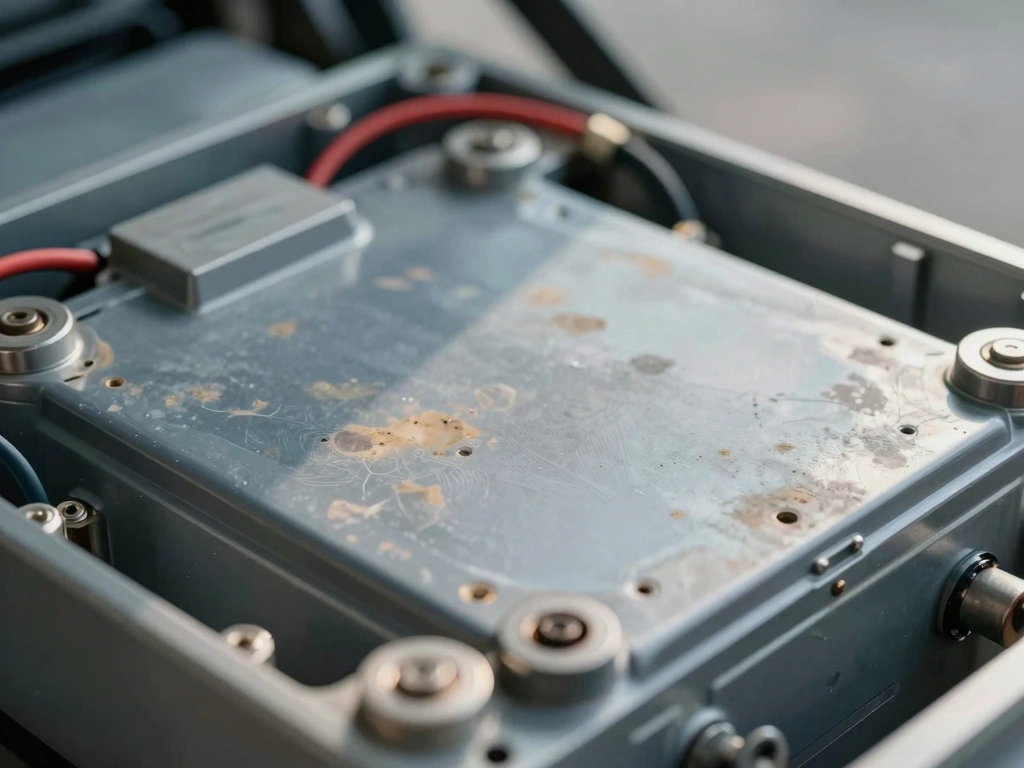
Beyond software indicators, there are physical signs that may suggest battery degradation: - **Swelling or Bulging**: A physically swollen battery pack can indicate internal damage and should be inspected immediately. - **Unusual Noises**: If an EV begins making unusual sounds during charging or operation, it could be a sign of internal issues with the battery.
Performance Metrics to Watch
Monitoring specific performance metrics can provide insights into battery health: - **Range Decrease**: A consistent decrease in range can indicate capacity loss. If an EV that once achieved 250 miles on a full charge now only manages 180 miles, this may warrant further investigation. - **Charging Times**: An increase in the time taken to charge can signal increased internal resistance and degradation.
Mitigation Strategies to Reduce Degradation
While battery degradation is inevitable, several strategies can mitigate its effects and prolong battery life.
Optimal Charging Practices
Adopting optimal charging practices can significantly influence battery longevity: - **Avoid Full Charges**: Regularly charging to 100% should be avoided unless necessary. Keeping the battery charged between 20% and 80% is generally recommended. - **Use Level 2 Charging**: Whenever possible, opt for Level 2 charging instead of fast charging. This slower charge reduces heat buildup and stress on the battery.
Temperature Management Techniques
Implementing temperature management techniques can help maintain optimal operating conditions for EV batteries: - **Climate Control**: Use pre-conditioning features, if available, to heat or cool the battery while plugged in to reduce the impact of extreme temperatures during driving. - **Parking in Shade**: Whenever possible, park the vehicle in shaded areas or garages to avoid excessive heat exposure, particularly in summer months.
Utilizing Battery Management Systems
Leverage the capabilities of the BMS to monitor and manage battery health effectively: - **Regular Software Updates**: Ensure that your vehicle's software is up to date to benefit from the latest improvements in battery management algorithms. - **Health Checks**: Regularly check the battery health reports generated by the BMS to track performance metrics and identify any emerging issues early.
Future Trends in Battery Technology and Degradation
Advancements in battery technology continue to evolve, promising improvements in longevity and performance.
Advancements in Battery Chemistry
Innovations in battery chemistry are expected to enhance the lifespan and performance of EV batteries: - **Solid-State Batteries**: Emerging solid-state batteries offer higher energy density and improved safety. These batteries are less prone to thermal runaway, which can mitigate degradation. - **Silicon Anodes**: The incorporation of silicon anodes in lithium-ion batteries can enhance capacity and longevity, potentially allowing for longer-lasting batteries.
Improved Battery Recycling Processes
As battery usage increases, so does the need for effective recycling processes: - **Circular Economy**: Companies are investing in closed-loop recycling systems that reclaim valuable materials from old batteries, reducing the environmental impact and ensuring resource sustainability. - **Second-Life Applications**: Used EV batteries are being repurposed for energy storage solutions, allowing for extended use beyond their automotive life cycle.
Emerging Technologies for Enhanced Longevity
Several emerging technologies are focused on enhancing battery longevity and performance: - **Artificial Intelligence (AI)**: AI algorithms are being employed to optimize charging and discharging processes, adapting to user behavior to prolong battery life. - **Nanotechnology**: Research into nanotechnology aims to improve battery materials at the molecular level, enhancing performance and reducing degradation rates. In conclusion, understanding the progression of EV battery degradation involves examining various factors such as temperature, charging habits, and discharge depth. By recognizing the stages of degradation and identifying symptoms early, EV owners can implement effective mitigation strategies to prolong battery life. Furthermore, advancements in battery technology and recycling processes promise a future of more sustainable and longer-lasting electric vehicles.